The season opens
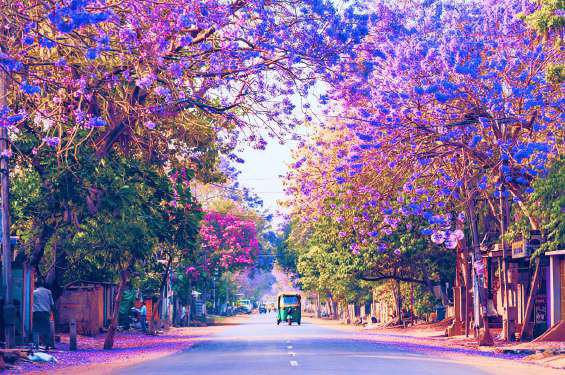
The monsoon has cleared, the country is green, and the plains are comfortable again. Diwali falls in this window, which is spectacular to witness and busy to travel through.

India is not one climate, and there is no month that suits all of it. The honest answer depends entirely on which India you are going to see.
October to March is the best time to visit most of India — the plains, the south, the coasts and the cities are all at their most comfortable. February to April is the strongest window for tiger safaris. The high Himalaya inverts the rule entirely: Ladakh and Spiti are summer destinations, reachable roughly June to September, and closed by snow the rest of the year.
May and June are punishing in the plains. July to September is monsoon — which closes the central tiger parks and much of the Goan coast, but leaves Kerala green and the high Himalaya clear.
| Region | Best months | Shoulder | Avoid | Why |
|---|---|---|---|---|
| Rajasthan & the Golden Triangle | Oct – Mar | Sep, Apr | May – Jun | Clear, dry and cool enough to walk forts by day. May and June regularly pass 45°C. |
| Kerala & the spice coast | Sep – Mar | Apr, Aug | Jun – Jul | Backwaters are at their greenest just after the rains. June and July take the heaviest monsoon. |
| Goa & the Konkan coast | Nov – Feb | Oct, Mar | Jun – Sep | Dry, warm and calm seas in winter. Much of the coast closes through the monsoon. |
| Ladakh & Spiti (high Himalaya) | Jun – Sep | May, Oct | Nov – Apr | The exception to every other row: this is a summer destination. The passes are snowbound in winter. |
| Himalayan foothills (Rishikesh, Shimla, Darjeeling) | Mar – Jun, Sep – Nov | Feb | Jul – Aug | Two distinct windows either side of the monsoon, when landslides can close hill roads. |
| Central India tiger parks (Ranthambhore, Bandhavgarh, Kanha) | Feb – Apr | Nov – Jan | Jul – Sep | Sightings peak as water thins in the heat. Core zones close for the monsoon, reopening around October. |
| Varanasi & the Ganges plain | Oct – Mar | Sep | May – Jun | Winter mornings on the ghats are cold and often misty — that is the light people travel for. |
| Andaman & Lakshadweep islands | Nov – Apr | Oct, May | Jun – Sep | Calm seas and clear water in winter. Diving visibility drops sharply in the monsoon. |
| The Northeast (Assam, Nagaland, Meghalaya) | Nov – Apr | Oct | May – Sep | Kaziranga closes for the monsoon, roughly mid-June to October. The Hornbill Festival runs 1–10 December. |
The monsoon has cleared, the country is green, and the plains are comfortable again. Diwali falls in this window, which is spectacular to witness and busy to travel through.
The most reliable weather of the year across Rajasthan, Kerala and the south — and the most expensive. North India can be genuinely cold at dawn, with morning fog affecting flights and trains around Delhi.
Warm but not yet hot, with thinner crowds than midwinter and the strongest tiger sightings of the year as the parks dry out. Holi falls in March.
The plains become very hot and most travellers move north. Ladakh, Spiti and the high valleys become reachable — this is the only window in which they are.
Rain moves up the country from the southwest. Kerala is lush and quiet, the high Himalaya stays clear in its rain shadow, and the central tiger parks close. Coastal Goa largely shuts.
October to March is the best time to visit most of India. The monsoon has cleared, the plains are cool enough to travel comfortably, and the south and the coasts are at their most reliable. The major exception is the high Himalaya — Ladakh and Spiti are only reachable from roughly June to September.
May and June are the hardest months across the plains, when Rajasthan and the Ganges basin regularly pass 45°C. July to September brings the monsoon to most of the country and closes the central tiger parks, though Ladakh stays clear in its rain shadow and Kerala is beautiful in the rain.
February to April. The parks dry out, water thins to a few sources, and sightings peak as animals concentrate around them. The core zones of the central reserves close for the monsoon and generally reopen around October.
June to September, with May and October as shoulder months. These are high-altitude desert regions reached by mountain passes that are snowbound for much of the year, so the summer window is the only practical one — the reverse of the rest of India.
Season shapes a journey more than almost any other decision — the same route in February and in June is not the same trip. If you are tied to particular dates, tell us and we will build the journey around what those dates actually do well, rather than around a fixed route.
Start planning your journey · Browse the collection · Practical questions answered