
Varanasi is not a place you visit. It is a place that quietly rearranges you.
For more than three thousand years, this city on the Ganges has been India’s spiritual heart — a place where life and death are lived openly on the same stone steps, where prayer is not an event but the texture of an ordinary morning. Travellers cross the world to stand here not to tick off a monument, but to feel the weight and warmth of a civilisation that never stopped.
Older than history, older than tradition, older even than legend — and looks twice as old as all of them put together.
Mark Twain, on Varanasi Eternal
The Eternal City
They say Varanasi is older than history. Long before empires rose along the Ganges, pilgrims were already walking down to this water at first light, as they still do this morning.
To arrive here is to step into a rhythm that has never paused — a city that does not perform its age so much as simply carry it.
 River
RiverLife Along the Ganges
Everything in Varanasi bends toward the river. Washermen beat linen on the steps, children fly kites from rooftops, and boats drift out with the current as the city leans toward the water.
The Ganges is not scenery here. It is the reason the city exists, the thread that every life is strung upon.
 Dawn
DawnMorning Rituals
As the sun clears the far bank, the ghats fill with quiet devotion — offerings of marigold and flame set adrift, bodies lowered into cold water, murmured prayers rising with the mist.
Nothing is staged for a visitor. You are simply, briefly, allowed to be present.
 Ghats
GhatsThe Ancient Ghats
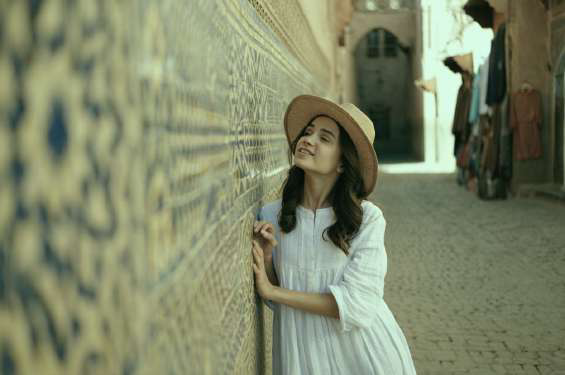
Eighty-eight ghats line the western bank, each with its own name, story and purpose. Stone steps worn smooth by centuries descend into the river in an unbroken procession.
Wander them slowly and the city reveals itself in fragments — a wrestling akhara, a hidden shrine, a chai stall that has poured for three generations.
 Fire
FireEvening Aarti
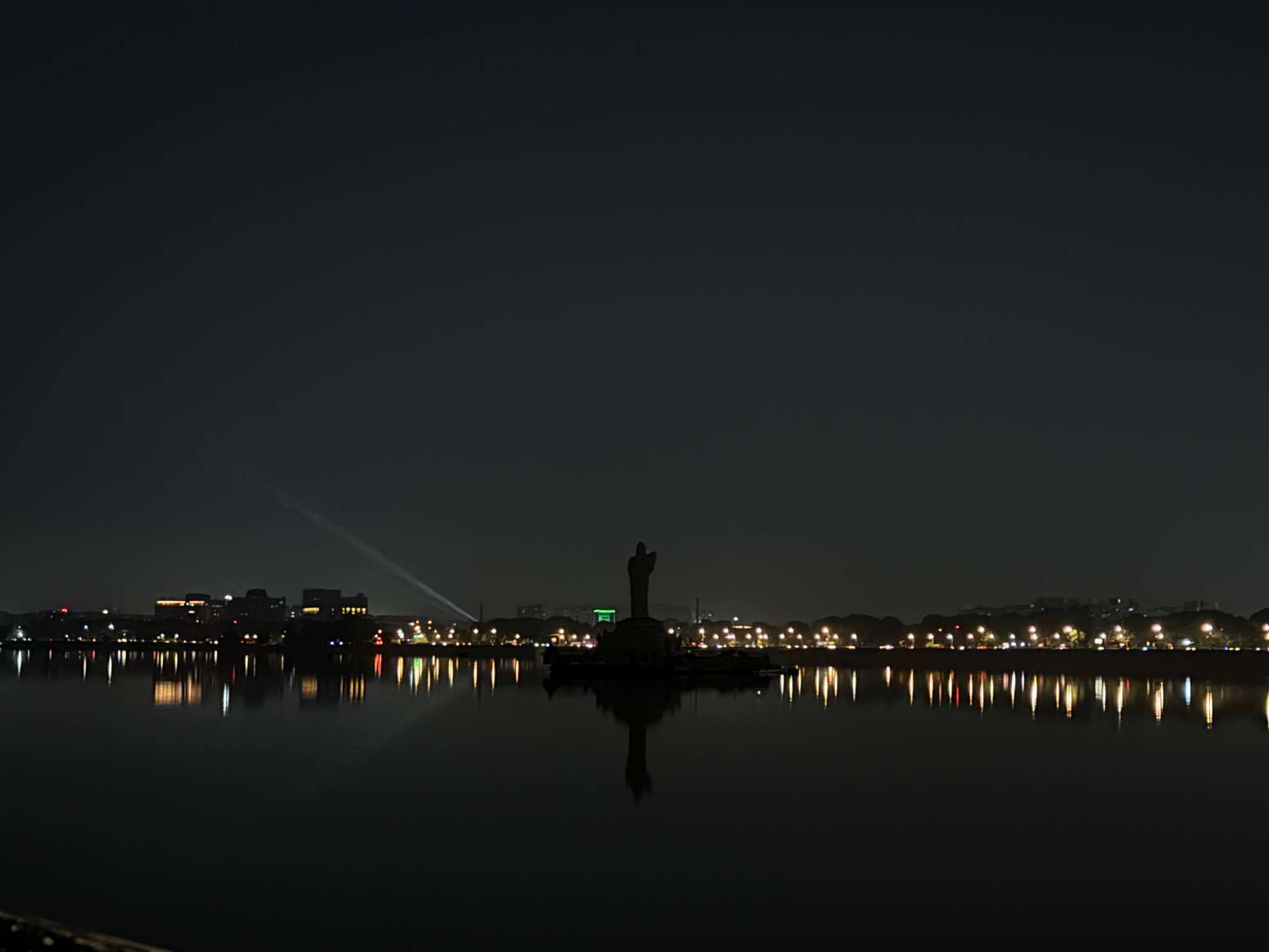
At dusk, Dashashwamedh Ghat gathers for the Ganga Aarti. Priests move in unison, lifting tiered lamps of fire in slow arcs while bells, conch and chant fold the crowd into a single held breath.
It happens every single night, and it never once feels ordinary.
 Lanes
LanesThe Living Culture
Step back from the river and Varanasi tightens into a maze of lanes — silk looms clacking behind carved doors, sweet shops glowing, the scent of sandalwood and frying kachori.
This is the city’s other life, lived just out of sight of the water.
Defining experiences
Each opens into an experience of its own — a doorway to explore further.

From first light to lamplight
Sunrise on the water
Slip onto the river before the city fully wakes. From a wooden boat the ghats glow gold and the whole of Varanasi tips toward the light in silence.
Sunrise boat rideInto the weavers’ lanes
Lose the map and follow the sound of looms. Behind carved doorways, families weave Banarasi silk exactly as their grandparents did, thread by golden thread.
Silk weavingAarti at Dashashwamedh
As the light fails, join the crowd for the fire ceremony — lamps lifted to the river, bells folding thousands of strangers into one quiet moment.
Ganga AartiThe silence between the ghats
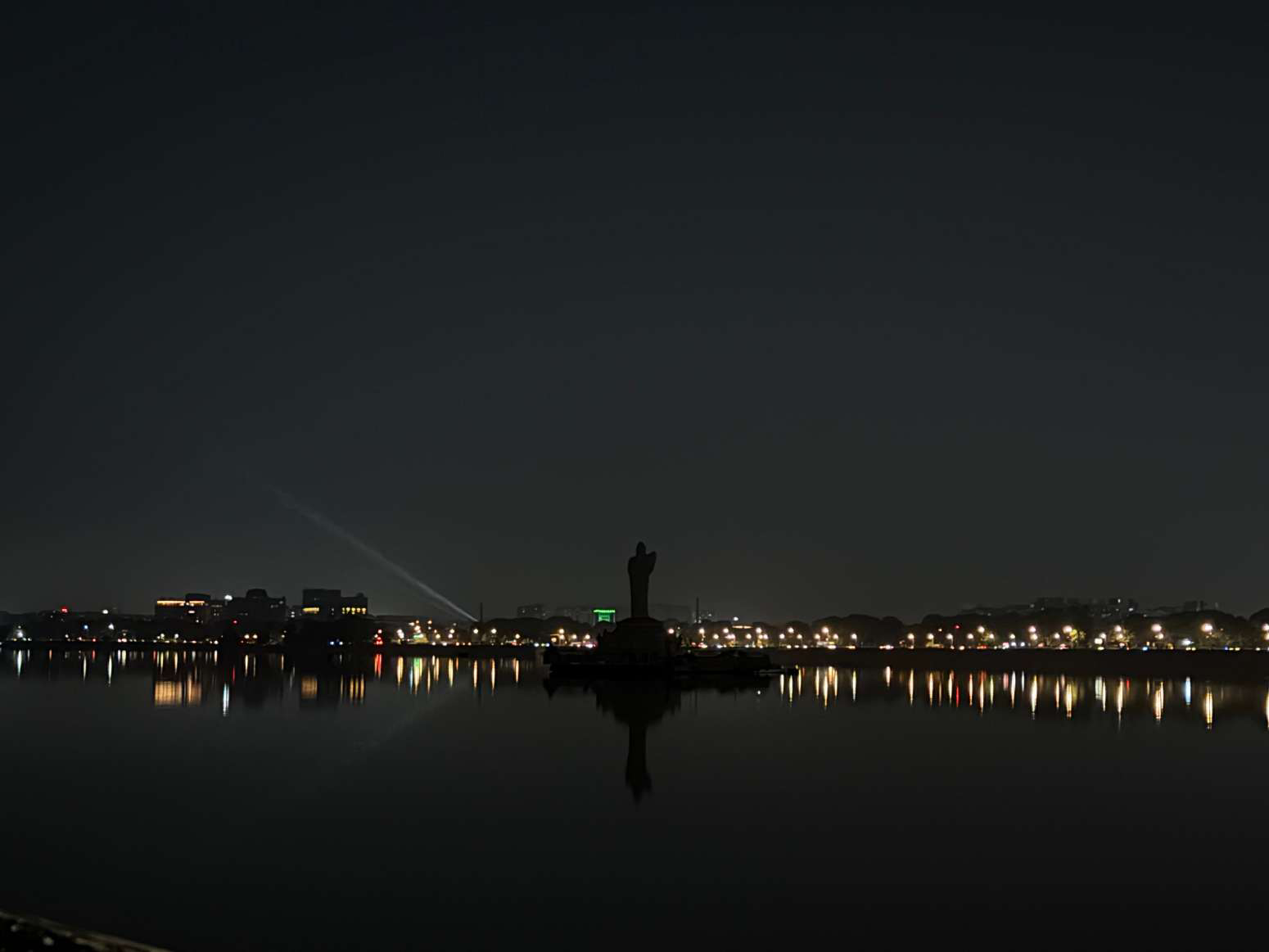
When the crowds thin, walk the emptied steps. The river turns black and mirror-still, and the oldest city in the world feels, for a moment, like it belongs to you.
Evening walksPractical guidance
Varanasi rewards travellers who slow down. Mornings and evenings hold the city’s most moving moments, so build your days around first light and dusk, and rest through the bright middle hours.
The old city is a walking city — its lanes are too narrow for cars and best explored on foot with a guide who knows the turns. Dress modestly, move gently, and let the river set your pace.
Questions, answered
The cooler, drier months of October to March are ideal, with comfortable days and atmospheric misty dawns on the river. We generally avoid the intense heat of May and June and the monsoon peak in July and August.
Yes. The boats are calm, wide and gentle, and the ride is one of the most peaceful ways to experience the city. We can arrange private boats with expert local boatmen for families and photographers alike.
Two to three days lets the city unfold without rushing — enough for a sunrise on the water, the evening aarti, the temples and the old lanes, with unhurried time in between. Many travellers pair Varanasi with Bodh Gaya or Khajuraho.
The evening aarti is a public celebration and photography is welcome. Around private prayer, bathing and especially cremation grounds, we ask that you keep your camera down. Your guide will always advise what is appropriate.
Everything is handled end to end — private boats, trusted local guides, thoughtfully chosen stays near the river, and timings that let you avoid the largest crowds. You simply arrive and experience the city.
Journeys that pass this way
Varanasi is a chapter in something longer. These journeys weave it into a wider passage across India.
The Ganges, Source to Soul
Yoga at dawn, aarti at dusk, and the sacred river running quietly between the mountains and the ghats.
View journey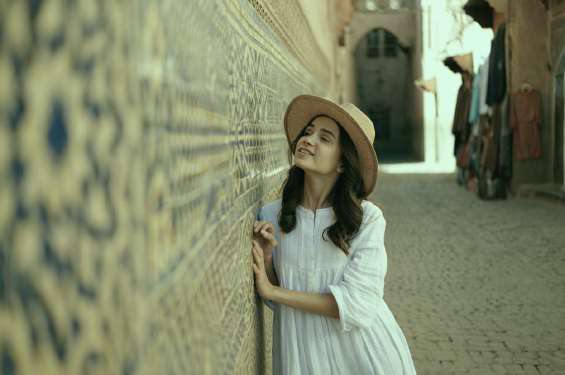
The Golden Triangle, Reimagined
The classics, done privately — the Taj at first light.
View journey
The Grand Indian Journey
Palaces, rivers, jungles and coast — the many Indias, in a single unforgettable sweep.
View journey